
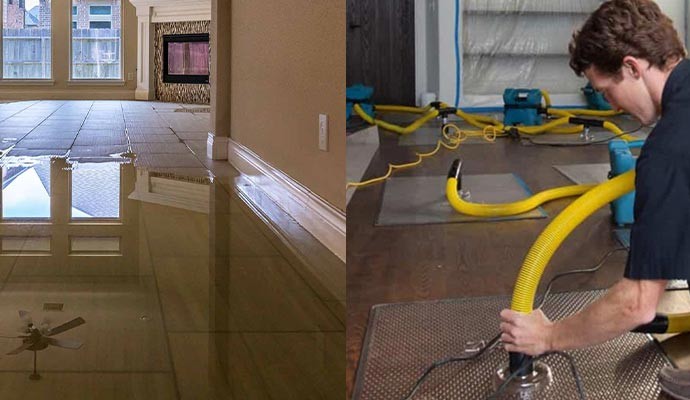
Water damage can wreak havoc on your property and life, causing significant financial and emotional distress. However, with the right preventive measures and proactive actions, you can minimize the impact of water damage and protect your home. water damage repair services encompass a comprehensive approach, swiftly addressing and mitigating any water-related issues in your space. In this article, we will discuss effective strategies to help you rise above the waters and safeguard your home.
Understanding Water Damage
Before we delve into prevention, it’s essential to understand the potential sources and types of water damage that can affect your property.
1. Natural Disasters
Natural disasters like floods, hurricanes, and heavy storms can cause widespread water damage to homes and buildings.
2. Plumbing Issues
Leaking or burst pipes, clogged drains, and plumbing malfunctions are common culprits of water damage within homes.
3. Appliance Failures
Malfunctioning appliances such as washing machines, dishwashers, and water heaters can leak, causing localized or extensive water damage.

Preventive Measures to Minimize Water Damage
Proactive steps and preventive measures can significantly reduce the risk and impact of water damage on your property.
1. Routine Inspection and Maintenance
Regularly inspecting your plumbing, roof, gutters, and drainage systems can help identify potential issues early. Address any leaks, cracks, or weak points promptly to prevent water seepage.
2. Proper Landscape Grading
Ensure your yard is graded away from the foundation of your home. Proper grading prevents water accumulation around the foundation, minimizing the risk of basement flooding and water seepage.
3. Install a Quality Sump Pump
Invest in a reliable sump pump system, especially if your area is prone to flooding. A sump pump efficiently removes excess water, protecting your basement from potential flood damage.
4. Seal and Insulate
Seal any cracks or gaps in your home’s structure, including windows, doors, and foundation. Additionally, insulate pipes to prevent freezing and potential bursting during cold weather.
5. Elevated Electrical Outlets
For homes in flood-prone areas, consider installing electrical outlets and other critical systems above potential flood levels to prevent electrical malfunctions and hazards.
Responding to Water Damage
In the unfortunate event of water damage, swift and appropriate action is crucial.
1. Turn Off Utilities
In case of flooding, turn off electrical and gas utilities to prevent accidents and hazards.
2. Remove Water and Moisture
Use pumps, wet/dry vacuums, and dehumidifiers to remove excess water and moisture from affected areas.
3. Salvage Valuables
If safe to do so, salvage valuable items and important documents to prevent further damage.
4. Contact Professionals
Immediately contact water damage restoration professionals to assess the extent of the damage and initiate necessary repairs and restoration.
Conclusion
Water damage can have severe and lasting consequences on your property. However, by understanding the risks and taking proactive measures, you can minimize its impact and protect your home. Regular maintenance, proper sealing, and investing in essential systems like sump pumps are vital steps toward ensuring a water-resistant living space.
