
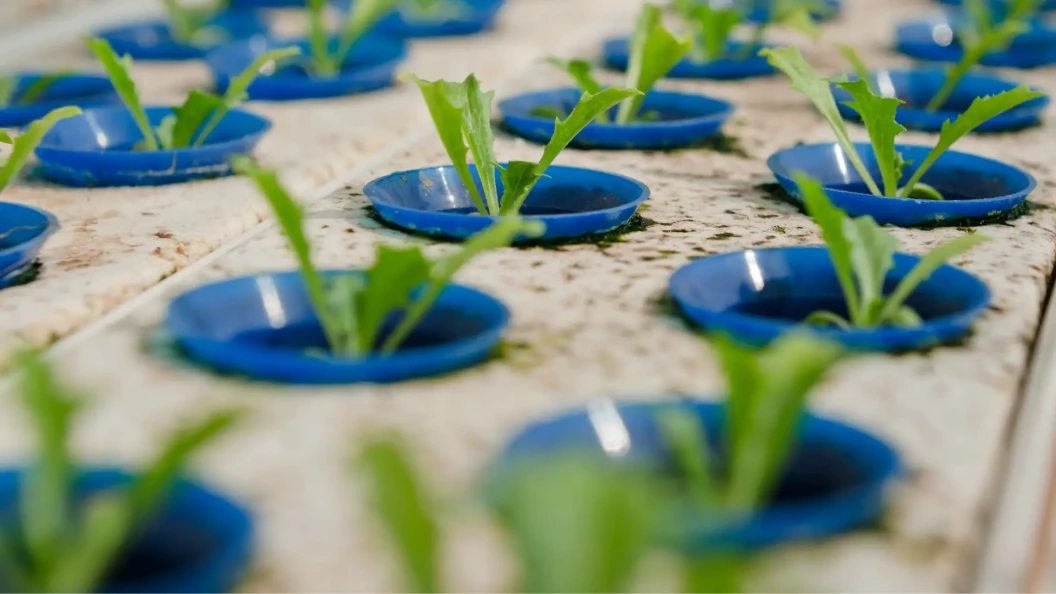
Hydroponic gardening is all about optimizing plant growth without soil, and one of the key components that make this possible is the humble net pot. These specialized pots are designed to support plants in hydroponic systems, providing them with the ideal environment for root development. In this 800-word blog post, we’ll delve into the world of hydroponic net pots, exploring their design, functions, types, and their crucial role in hydroponic gardening. For more information regarding hydroponic plant one can visit our site https://hydroponicglobal.com.au/.
Understanding Hydroponic Net Pots:
Net pots, also known as mesh pots or net cups, are containers made from a lightweight, breathable material with holes or perforations on the sides and bottom. They are typically used in hydroponic and aeroponic systems to hold plants and provide support for their root systems. The primary function of a net pot is to allow roots to grow freely while providing stability and protection to the plant.
Functions of Hydroponic Net Pots:
1. Support for Seedlings: Net pots provide a stable platform for starting seeds or germinating cuttings. This support is essential during the early stages of plant growth when the root system is fragile.
2. Root Encouragement: The holes and perforations on net pots allow roots to grow outward through the sides and bottom. This air-pruning effect prevents root circling and encourages the development of a healthy, fibrous root system.
3. Hydroponic Systems: Net pots are a fundamental component of various hydroponic systems, such as deep-water culture (DWC), nutrient film technique (NFT), and flood-and-drain (also known as ebb and flow) systems.
Design and Types of Hydroponic Net Pots:
Net pots are available in a variety of sizes, materials, and designs to suit different hydroponic setups and plant types. Here are some common design features and types:
1. Materials: Net pots are typically made from lightweight, durable materials like plastic or foam. Foam net pots are buoyant and often used in deep-water culture systems.
2. Sizes: Net pots come in various sizes, with the choice depending on the specific plants you’re growing and the space available in your hydroponic system. Smaller net pots are suitable for seedlings and herbs, while larger ones are used for larger plants like tomatoes or peppers.
3. Holes and Perforations: The arrangement and size of holes and perforations on net pots may vary. Some have a grid-like pattern, while others have larger holes for more substantial root growth.
4. Shape: Net pots can be round, square, or rectangular, and their shape may influence how they fit into specific hydroponic systems.
Using Hydroponic Net Pots:
Using net pots in hydroponic gardening involves several steps:
1. Seed or Cutting Placement: Fill the net pot with a growing medium like coconut coir or rockwool. Place the seed or cutting into the growing medium and secure it in the pot.
2. Hydroponic System Placement: Insert the net pot into the designated slot or location in your hydroponic system. Ensure that the pot is stable and properly positioned to allow for nutrient solution circulation.
3. Monitor and Maintain: Regularly monitor your hydroponic system for signs of plant health and root development. Ensure that the nutrient solution is appropriately balanced, and adjust as needed.
Benefits of Hydroponic Net Pots:
Hydroponic net pots offer several advantages for plant growth:
1. Air Pruning: The porous design encourages air pruning, preventing root circling and promoting healthier root systems.
2. Hydroponic Adaptability: Net pots are compatible with various hydroponic systems, making them versatile for different plant types and growing environments.
3. Optimized Nutrient Uptake: The open structure allows roots to access the nutrient solution more efficiently, leading to faster growth and higher yields.
4. Easy Transplanting: Net pots make it easier to transplant seedlings or cuttings from one hydroponic system to another.
Challenges and Considerations:
While hydroponic net pots are incredibly beneficial, there are some considerations:
1. Cleaning: Net pots can accumulate algae and mineral deposits over time, so regular cleaning and maintenance are essential.
2. Material Selection: Choose net pots made from food-grade and durable materials to ensure longevity and avoid chemical leaching.
In conclusion, hydroponic net pots are a fundamental component of soilless cultivation, providing a supportive environment for healthy root development. Their design, versatility, and air-pruning capabilities make them essential tools for hydroponic gardeners looking to optimize plant growth and achieve thriving, high-yield crops. Whether you’re a novice hydroponic enthusiast or an experienced grower, understanding the role of net pots in hydroponic systems is crucial for successful soilless gardening.
